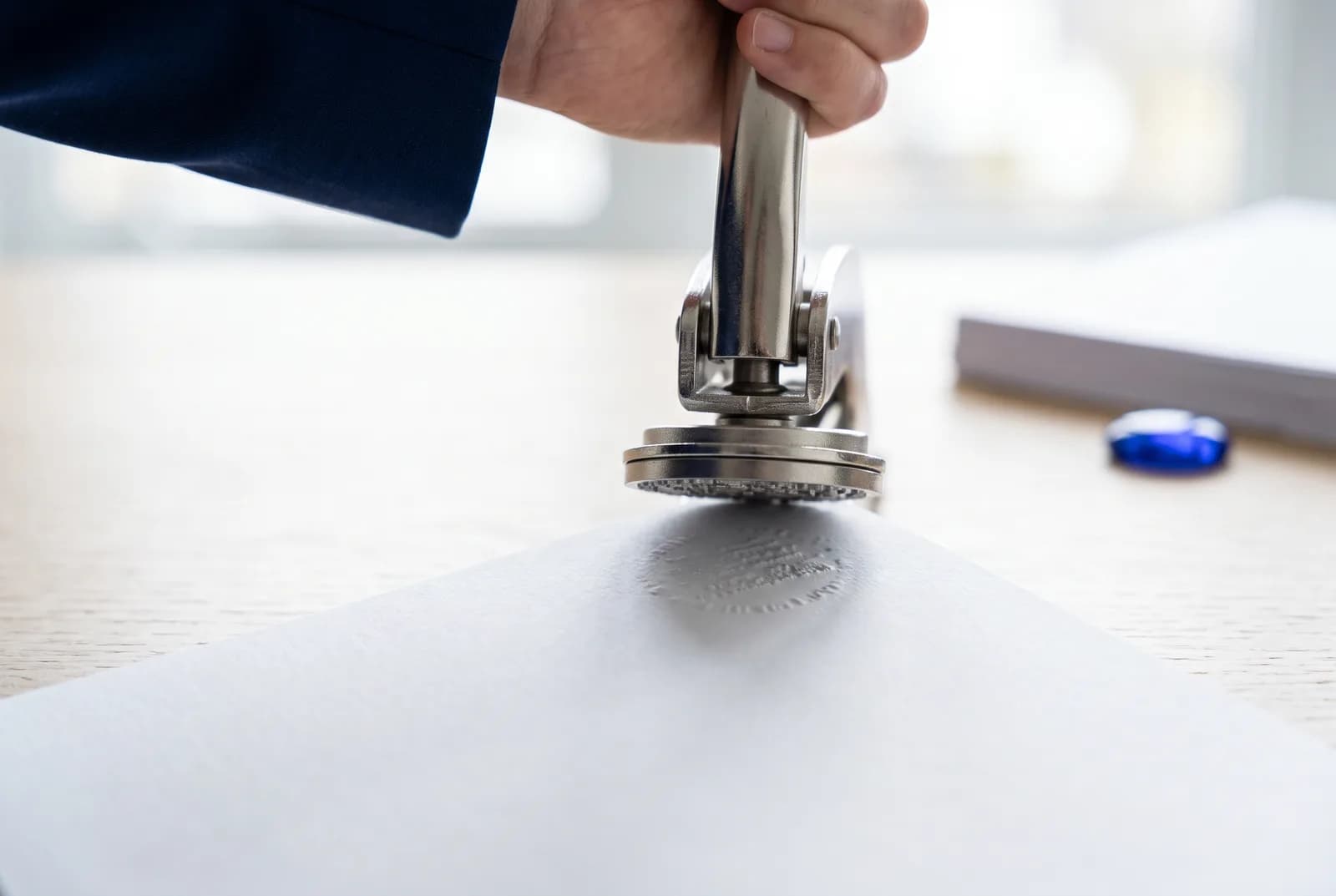
Why some documents need in person
Ontario permits remote commissioning of oaths, affidavits and statutory declarations by video under O. Reg. 431/20. But some documents need something a video call can’t provide: examination of an original, a wet-ink signature the receiving body insists on, or a formal notarial act rather than a commissioner’s oath.
Certified true copies of many originals
To certify that a copy is a true copy of an original, the professional generally has to see the original document in person. A photo or scan on a screen is not the original. Some institutions accept remotely-certified copies for limited purposes; many do not, so this usually routes to an in-person appointment.
Wills and powers of attorney
Wills and continuing powers of attorney have their own signing and witnessing requirements under Ontario law, and many receiving parties expect wet-ink execution. These are generally handled in person and, depending on the document, may call for legal advice rather than a commissioning appointment.
Documents the receiving body requires in person
Even where Ontario would permit remote commissioning, the court, government office or foreign authority receiving the document may require an original wet-ink signature or an in-person notarial certificate. Acceptance is always the receiving institution’s decision, so it is worth confirming their requirement first.
How we handle it
If your document can’t be completed online, the eligibility step says so and points you to an in-person appointment or, where appropriate, a lawyer. You are not charged for an online service you can’t use.
General information only — not legal advice. Requirements depend on your document and the institution receiving it; we confirm what applies before you book.